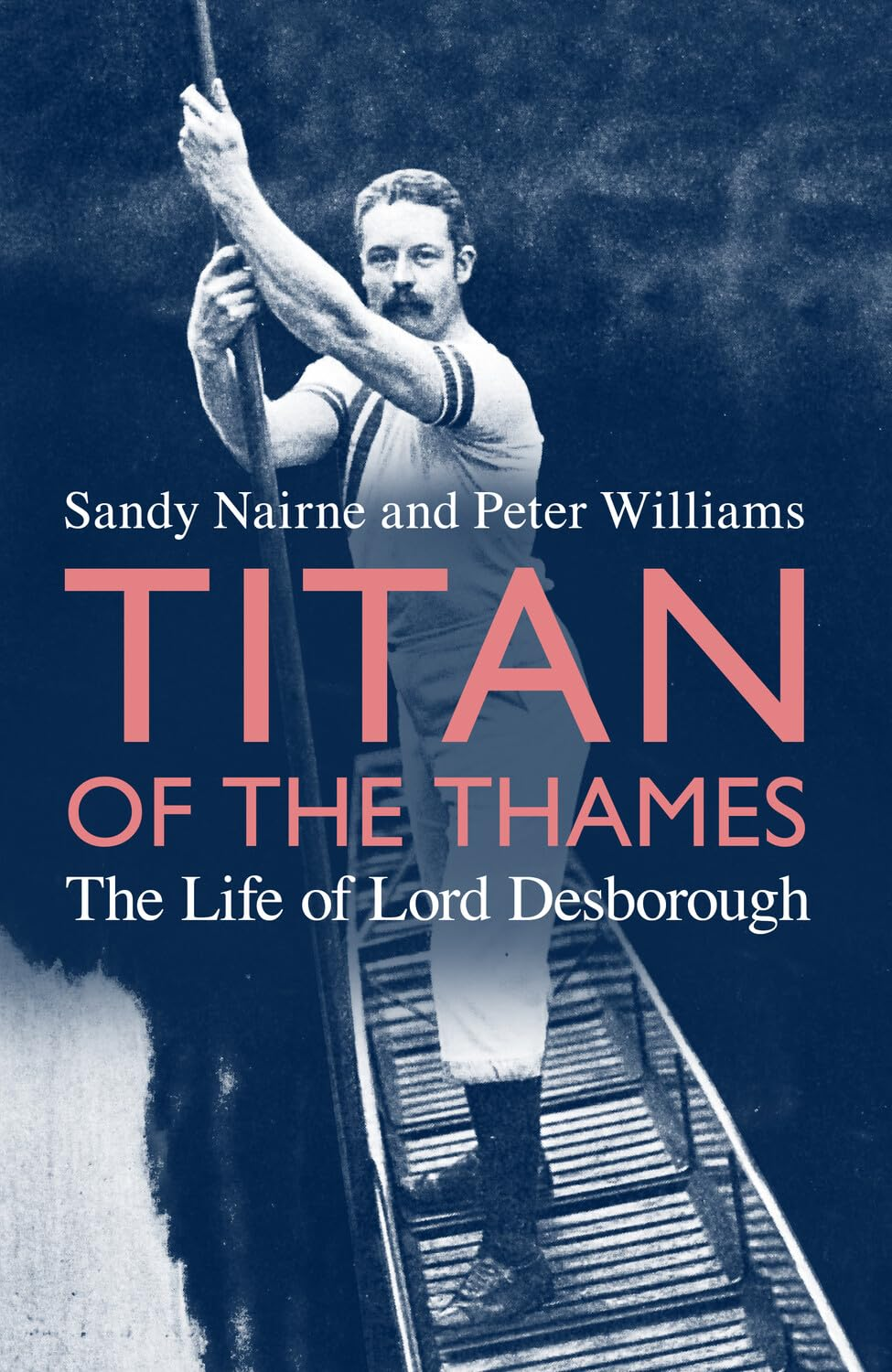
“Titan of the Thames: The Life of Lord Desborough”

Recommended reading is this brand-new biography of William Grenfell, Lord Desborough, whose many athletic and public service accomplishments included some intriguing associations with Bartitsu.

Grenfell was the Master of Ceremonies at Edward Barton-Wright’s famous Bartitsu exhibition at the London Bath Club on the evening of March 9th, 1899. Lord Desborough not only presided over the event, but also took to the stage himself at one point to take part in a historical fencing display that preceded Barton-Wright’s demonstration.

He then became one of the earliest “promoters” of Bartitsu as a concept, describing the still-nascent art for journalists and eventually serving as the president of the Bartitsu Club, though it isn’t clear how much of a practical day-to-day role he played in the Club’s operations.

His involvement with Bartitsu was, however, just one small facet of a long and fascinating life, which included serving as a principal organiser of the first Olympic Games ever held in London as well as many pioneering sporting and cultural achievements.
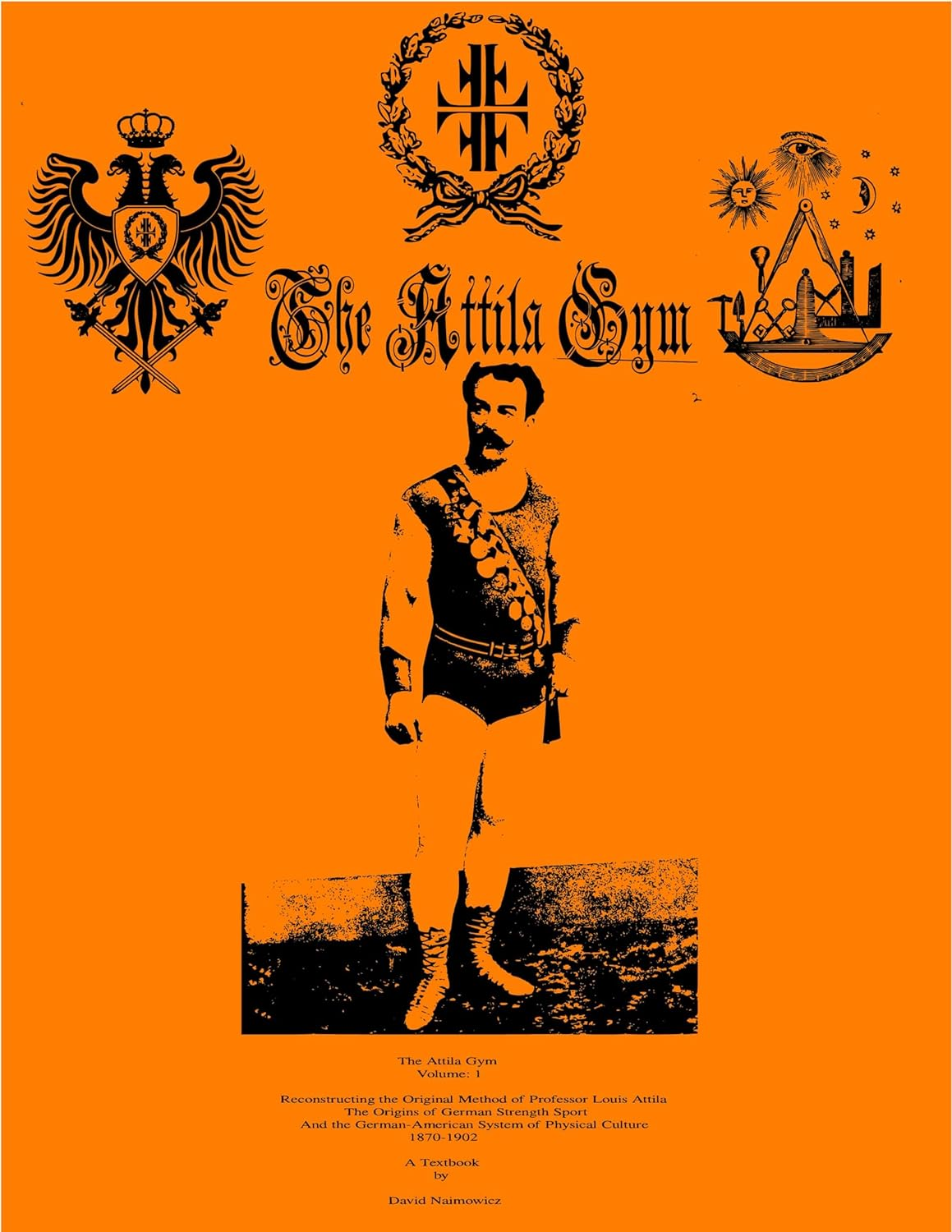
“The Attila Gym, Volume One”

Author David Naimowicz’s book The Attila Gym Volume 1: Reconstructing the Original Method of Professor Louis Attila is currently available via Amazon:

This volume is the author’s best attempt to assemble the light and heavy system, its principles, mechanics, repetitions and training schedules. This system is also related to the use of weight training during the days of the London Prizering Rules Bareknuckle Boxing, and no holds barred Catch Wrestling in England. Attila’s influence reached early American heavyweight Boxing as he was the trainer for James Corbett, and his influence through Theodor Siebert influenced the training methods of some of the first Western students of Judo and Jujutsu. As the most celebrated trainer in the British Empire, his philosophies on Physical Culture have a high likelihood of also influencing the philosophies of Jigoro Kano, and the British Royal Marines.

The training method overall, seemed to preserve some Indian methods which were becoming uncommon knowledge in India itself, as Attila taught prominant Indian government officials. He may have influenced physical training in places such as Baroda by this instruction. This was all during the formation of the Indian Nationalist movement, known as Hindutva, which facilitated a cultural exchange between South Asia and the West. The training method has analogues and insights not only into Indian, but Chinese methods related to military exams in the Imperial era. A concentrated well of knowledge. We invite the reader to the Attila Gym.